
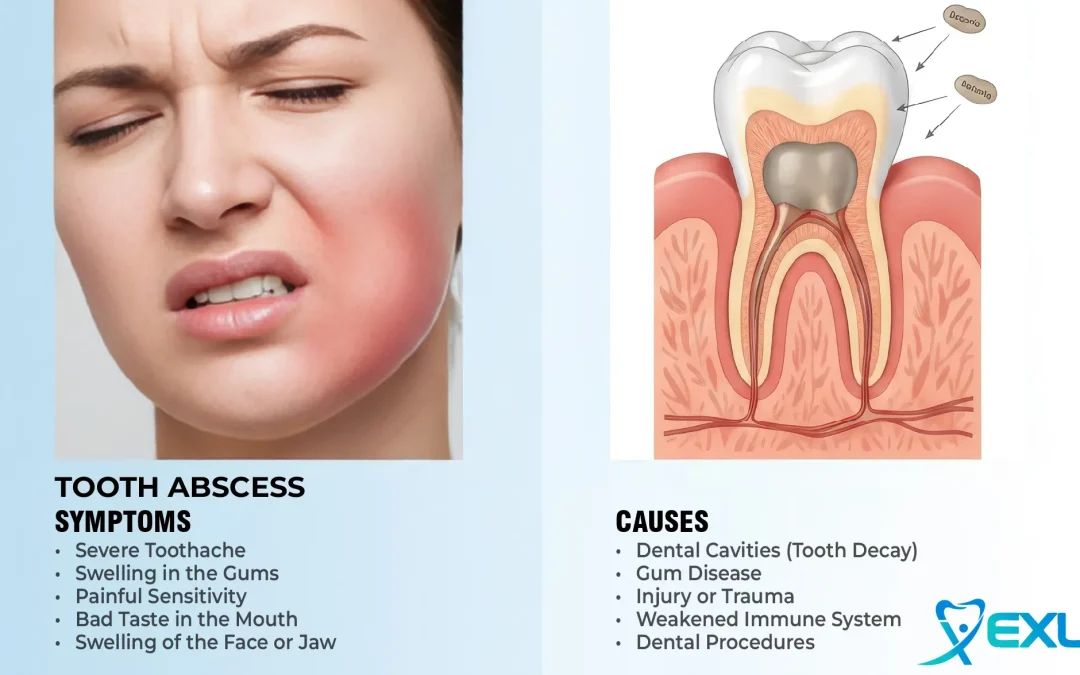
A tooth abscess is a painful and potentially serious condition that occurs when an infection forms in the tooth or the surrounding tissues. If left untreated, it can lead to severe complications, affecting the tooth, gums, and even the jaw. This blog explores the symptoms, causes, treatment, and prevention of tooth abscesses, helping you understand the condition better.
What Is a Tooth Abscess?
A tooth abscess is a pocket of pus that forms at the tip of a tooth’s root or within the surrounding gums due to a bacterial infection. It usually results from untreated dental cavities, gum disease, or injury to the tooth. The infection can cause severe pain, swelling, and sometimes fever, which can spread to other parts of the face or body if not addressed promptly.
There are two types of tooth abscesses:
- Periapical abscess: This occurs at the tip of the tooth’s root and is the most common type.
- Periodontal abscess: This occurs in the gums next to the tooth and is typically caused by an untreated gum infection.
Causes of Tooth Abscesses
Tooth abscesses typically develop due to a bacterial infection. Here’s how the infection can develop:
- Dental Cavities (Tooth Decay): Untreated tooth decay is one of the leading causes of a tooth abscess. Bacteria from the cavity penetrate the tooth, infecting the pulp, which is the innermost part of the tooth containing nerves and blood vessels.
- Gum Disease: Periodontal disease, or gum disease, can lead to an abscess if bacteria infect the gums around the tooth. If left untreated, this infection can progress into a dental abscess.
- Injury or Trauma: Any injury or trauma to the tooth, like a crack or chip, can allow bacteria to enter and cause an infection.
- Weakened Immune System: A compromised immune system can make it harder for the body to fight infections, leading to a higher risk of abscess formation.
- Dental Procedures: Although rare, some dental procedures can cause an abscess if bacteria enter the tooth or gum during the process.
Symptoms of a Tooth Abscess
A tooth abscess can be accompanied by various symptoms that can range from mild to severe. Here are some common symptoms:
- Severe Toothache: The most common symptom of a tooth abscess is a sharp, constant, or throbbing pain in the affected tooth. The pain may worsen when chewing or touching the tooth.
- Swelling in the Gums: A noticeable swelling in the gums near the affected tooth is common. The gum area may appear red and tender.
- Painful Sensitivity: The tooth may become sensitive to hot or cold temperatures, which can make eating or drinking uncomfortable.
- Bad Taste in the Mouth: An abscess can cause a foul taste in the mouth due to the pus that drains from the infection.
- Swelling of the Face or Jaw: The infection can spread, causing the face or jaw to swell, sometimes making it difficult to open the mouth fully.
- Fever: If the infection spreads, it can lead to systemic symptoms like fever and chills, which are signs that the infection has become more serious.
- Pus Draining from the Gums: If the abscess bursts, pus may drain from the abscess site, leading to temporary relief. However, this does not mean the infection is gone, and professional treatment is still necessary.
- Bad Breath: A tooth abscess can cause foul-smelling breath due to the bacteria and pus involved in the infection.
How a Tooth Abscess Spreads
If left untreated, a tooth abscess can cause complications. The infection can spread to nearby teeth, gums, and even other parts of the face and neck. It can lead to conditions like:
- Cellulitis: A soft tissue infection that can spread to the face or neck.
- Osteomyelitis: Infection of the bone, which can occur if the abscess spreads to the jawbone.
- Sepsis: A severe and life-threatening infection that can spread throughout the body.
Treatment for Tooth Abscesses
To treat a tooth abscess effectively, it’s important to visit a dentist as soon as possible. Here’s how a dentist typically manages a tooth abscess:
- Drainage: The dentist may drain the abscess to release the pus and relieve pressure. This can be done by making a small incision in the gum or through the tooth itself.
- Antibiotics: If the infection has spread or is severe, antibiotics may be prescribed to kill the bacteria and help the healing process.
- Root Canal Treatment: If the abscess is caused by an infected tooth pulp, a root canal may be necessary to remove the infected pulp and prevent the infection from returning.
- Tooth Extraction: In some cases, if the tooth is too damaged or decayed, it may need to be removed entirely to prevent further infection.
- Pain Management: Over-the-counter pain relievers such as ibuprofen or acetaminophen can help manage the pain associated with a tooth abscess.
Preventing Tooth Abscesses
While a tooth abscess can be a serious and painful condition, it is preventable with proper oral care. Here are some tips to reduce the risk of developing a tooth abscess:
- Brush Your Teeth Regularly: Brush your teeth at least twice a day using fluoride toothpaste to prevent cavities and gum disease.
- Floss Daily: Flossing helps remove food particles and plaque from between your teeth and along the gum line, areas that your toothbrush may miss.
- Visit the Dentist Regularly: Schedule regular check-ups and cleanings with your dentist to detect and treat any dental problems before they become serious.
- Avoid Sugary Foods: Limit your intake of sugary foods and drinks, as they can contribute to tooth decay and gum disease.
- Quit Smoking: Smoking weakens your immune system and increases the risk of gum disease and other oral health problems.
Final Thoughts
Tooth abscesses are painful and can lead to serious complications if left untreated. Recognizing the symptoms early and seeking prompt dental treatment is essential for effective healing. Maintaining good oral hygiene and visiting your dentist regularly can help prevent tooth abscesses and other dental issues. If you experience symptoms of a tooth abscess, don’t delay in seeking treatment. Consult with a dentist who can diagnose the issue and guide you through the necessary treatment. Along with treating infections, options like invisible aligners in Gurgaon, smile makeover in Gurgaon, and teeth whitening in Gurgaon can help restore both oral health and confidence. At EXL Dentist, we are committed to providing comprehensive dental care and helping you maintain a healthy smile. For personalized advice or treatment, feel free to contact us.
FAQs About Tooth Abscesses
- Can you live a long life with gum disease?
Gum disease should be treated promptly. If left untreated, it can lead to serious complications, including tooth loss and systemic infections. - How do you tell if you have an abscess in your tooth?
Common signs include severe toothache, gum swelling, sensitivity to temperature, and bad breath. If you suspect a tooth abscess, visit your dentist immediately. - What is the first stage of a tooth abscess?
The first stage typically involves tooth pain, swelling, and sensitivity. If untreated, the infection can worsen, leading to pus formation and increased pain. - Can a tooth abscess go away on its own?
A tooth abscess requires professional treatment. Without intervention, the infection can worsen, leading to more serious health complications. - What are the symptoms of a tooth infection spreading?
Symptoms include fever, facial swelling, severe jaw pain, and pus draining from the abscess. In severe cases, it can spread to other parts of the body. - Can a tooth abscess be cured?
Yes, with proper treatment like drainage, antibiotics, and sometimes a root canal, a tooth abscess can be cured.